One in five Hungarians believe that surgery could be performed entirely by robots, and nearly half are curious to see how self-driving or even flying cars will change our transport habits in the future, according to a nationally representative survey by National Geographic.
The research sought to find out how Hungarians imagine the future: what living conditions on Earth will be like, what they think about the development of space tourism, and what role artificial intelligence could play in their everyday lives. The questionnaire also showed that more than two thirds of respondents think it is possible to conquer other planets.
In recent years, the future of our world has been increasingly discussed, whether it is the climate issue, the disappearance of animal species, the decline of natural resources or the spread of artificial intelligence. These changes are a cause for concern and it is no wonder that most people are not optimistic about the future. It turns out that 60 percent of Hungarians think living conditions will get worse in the future: climate change will lead to more environmental problems, and 43 percent believe the gap between rich and poor will widen. However, one in five say that all is not lost and that technological progress will make life more comfortable and healthier.
Space travel and artificial intelligence
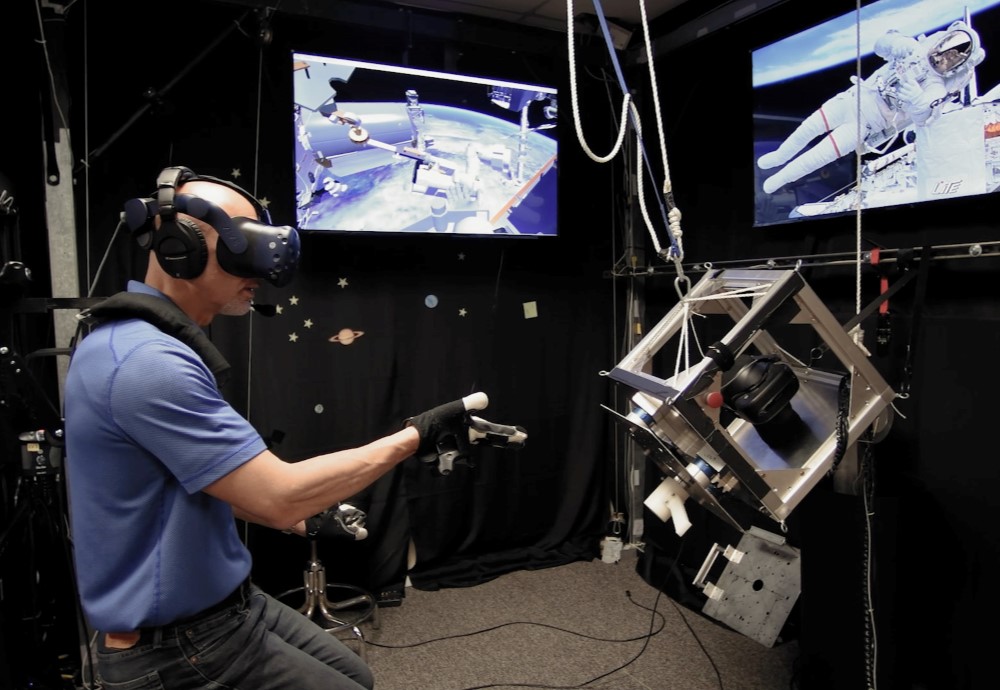
Nearly half of respondents are excited about future transport ideas such as self-driving vehicles, flying cars or hypersonic travel and wonder how it will change their travel habits. More than a third would also take part in a space trip if it was safe and their health allowed. In fact, more than two thirds of respondents think it is conceivable that humanity could settle on another planet, although the majority of those who think so believe that this will not happen any time soon, but at least 20 years from now.
Hungarians are divided on issues concerning future technologies and their impact on everyday life. Almost equal numbers (55% and 45%) are interested and sceptical about the spread of artificial intelligence and robotics. They are most interested in whether it is possible to use the technology in a responsible way, while the sceptics are mainly concerned that it will take jobs away from people and endanger human relationships.
Healthcare developments
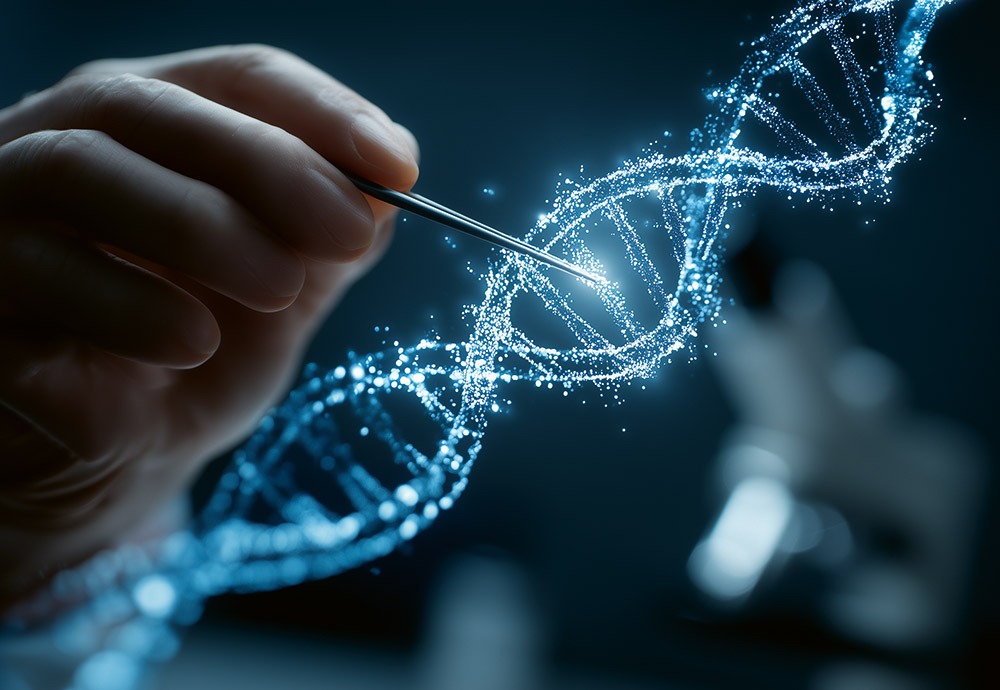
Overall, the public agrees that future technology is needed, especially in health and energy management. An overwhelming majority (68%) believe that healthcare and healing will become faster, easier and more convenient, and 21% even envisage that surgeries and procedures will be performed entirely by robots. However, one in five fear that this will make medicine too technological and damage human relationships. Despite this, 18% hope that future medicine will make it possible to cure currently incurable diseases, and more than half of respondents agree that technological advances in sustainable energy sources will enable us to live in a more economical and environmentally friendly way.